A refrigerator that hums but does not cool, a dryer that takes two cycles, and a dishwasher with standing water can turn an otherwise ready unit into a delayed move-in. This property manager appliance turnover guide is built around one practical goal: find problems while the unit is vacant, document the decision, and avoid paying for rushed work after keys have changed hands.
For San Diego property managers, appliance turnover is not just a cleaning item. It is a short window to catch leaks, drainage problems, worn dryer parts, and cooking appliances with unsafe ignition issues before a new resident depends on them. A consistent process also makes it easier to tell the difference between a repair worth making and an appliance nearing the end of its useful life.
Start the Appliance Turnover Before the Final Walk-Through
The best time to schedule appliance checks is after the resident has removed belongings but before cleaners finish the unit. Empty appliances are easier to inspect, and a technician can access hoses, filters, vents, and door seals without working around food, laundry, or boxes.
Start by recording the brand, model number, and serial number for every major appliance. The model tag is usually inside a refrigerator compartment, around a dishwasher door frame, on a washer or dryer opening, or along the oven frame. A photo of the tag is enough. This prevents delays when a part needs to be identified and gives you a useful history for repeat issues.
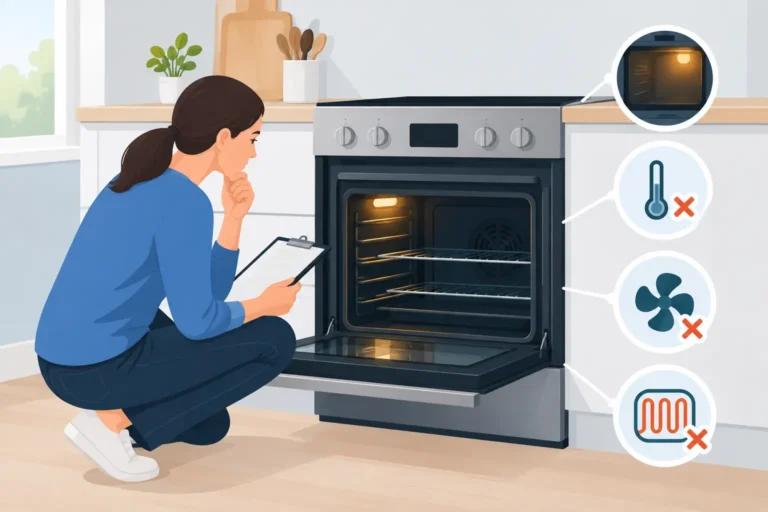
Then run every appliance through its basic function. Do not settle for seeing that it powers on. A range can light up while an element heats poorly. A washer can fill normally but fail when it reaches the drain portion of the cycle. Let the appliance complete the part of the cycle most likely to reveal trouble.
A practical turnover test sequence
Use the same sequence at every unit so nothing gets skipped:
- Refrigerators and freezers: Check interior lights, door gasket contact, cooling, unusual fan noise, ice maker operation if equipped, and water dispenser flow.
- Dishwashers: Run a short cycle, listen for filling and draining, check beneath the door for leaks, and confirm there is no standing water at the end.
- Washers: Run a rinse and spin cycle, watching for slow draining, banging, leaks, or a unit that will not spin out.
- Dryers: Confirm heat, drum movement, airflow at the exterior vent, and a clean lint screen.
- Ovens, ranges, cooktops, microwaves, and hoods: Test each burner or heating zone, oven bake and broil functions, microwave heating, and hood fan and light.
Take photos of visible damage, error messages, and anything that needs approval. That record is useful when determining whether the issue is ordinary wear, tenant-caused damage, or a maintenance item already documented at a prior turnover.
What Common Appliance Symptoms Usually Mean
Turnovers often reveal the same failures. A dishwasher that fills but leaves water in the tub may have a restricted drain path or a worn drain pump. Bosch manuals, for example, identify an E24 display as a drainage-related fault. Cleaning the filter is a safe first check, but an E24 that returns after the filter is clear needs diagnosis rather than repeated resets.
For washers, an LG OE code generally points to a drain problem. The likely causes include a blocked drain filter on applicable models, a kinked drain hose, or a failing drain pump. A property manager can confirm the washer is level and check the accessible filter according to the owner manual, but the pump and internal drainage path should be left to a technician.
Dryers that run but do not dry well are often airflow problems, not failed heaters. A full lint screen, crushed transition duct, or blocked exterior vent can extend drying time and overheat the machine. The U.S. Fire Administration reports that failure to clean is the leading factor in residential dryer fires. Clean the lint screen between tenants and make vent cleaning part of the turnover plan, especially for units with long or concealed vent runs.
A refrigerator that is warm while the freezer still seems cold may have an airflow or defrost issue. Common failed parts include an evaporator fan motor, defrost heater, defrost sensor, or electronic control. Do not judge refrigerator performance immediately after the door has been open for cleaning. Give it time to stabilize, then verify actual temperatures with an appliance thermometer.
With gas ranges, delayed ignition, repeated clicking, or a burner that will not light should be addressed before move-in. If anyone smells gas, do not use switches, flames, or the appliance. Leave the area and contact the gas utility or emergency services from a safe location. That is not a turnover item to postpone.
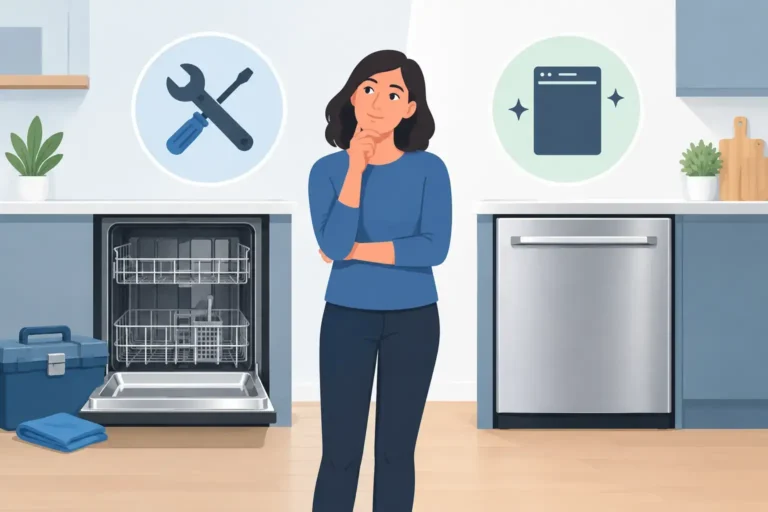
Repair or Replace: Make the Call With the Right Details
Age matters, but it is not the only factor. ENERGY STAR advises that refrigerators more than 15 years old may cost more to operate than newer certified models. That does not automatically mean replacement is the right answer. A quality built-in refrigerator can justify a repair that would make little sense on an aging basic model.
As a general planning range, common dryer repairs such as a belt, thermal fuse, rollers, or heating component often fall around $160 to $350, depending on the model and needed parts. A washer or dishwasher drain pump repair commonly lands around $180 to $400. Refrigerator ice maker repairs can range from roughly $250 to $600, particularly when the model uses a more complex ice system. Premium brands, built-in units, and parts that are no longer readily available can push costs higher.
These are planning ranges, not fixed quotes. The useful number is the total after diagnosis: parts, labor, and the expected remaining service life. In many cases, a straightforward repair can be completed in one to two hours once the correct part is available. If a special-order part is needed, the honest answer may be to repair only if the appliance is otherwise in good condition and the vacancy timeline allows it.
A reasonable replacement conversation usually starts when the appliance is near the typical end of its life, has multiple unrelated failures, or needs a major sealed-system or control repair that approaches a meaningful share of replacement cost. Replacing may also be the cleaner choice when matching appliance appearance matters for a renovated unit. On the other hand, replacing a dependable five-year-old washer because of one drain pump is usually not a savings.
San Diego Turnover Issues Worth Watching
Hard water is a regular source of dishwasher and washer complaints in San Diego County. Mineral scale can build up around dishwasher filters, spray arms, water valves, and dispenser areas. It can also leave cloudy glassware that looks like a washing problem when the appliance is functioning normally. During turnover, clean removable filters and look for heavy residue, but do not assume scale is the only issue if the dishwasher also leaks or will not drain.
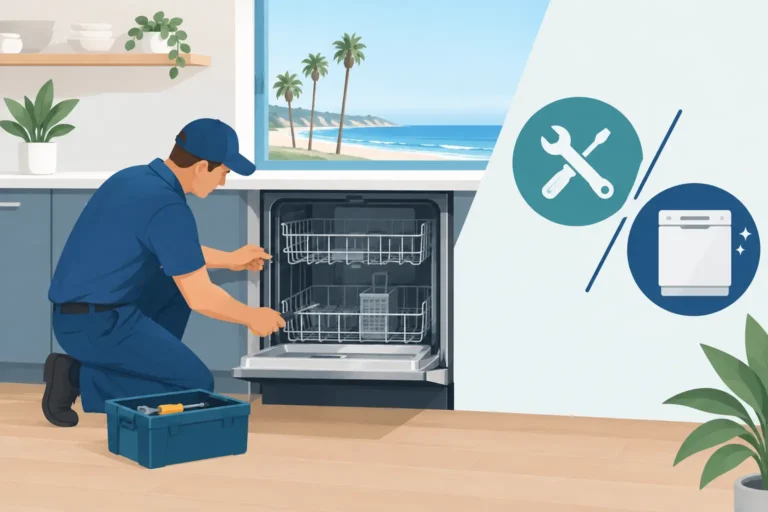
Coastal properties in areas such as Coronado, Ocean Beach, and Pacific Beach can see more corrosion on exposed appliance hardware and outdoor dryer vent covers. Check for rusted vent flaps, deteriorated door seals, and corrosion around accessible water connections. Salt air does not mean every appliance is failing, but it is a reason to inspect closely rather than wait for a resident complaint.
Summer heat also puts extra demand on refrigerators, especially in garages, sun-exposed kitchens, and units turned over during a heat wave. Keep condenser areas clear of dust where accessible, avoid packing the refrigerator immediately after startup, and make sure the doors close fully. A weak gasket can turn a marginal cooling issue into a failed move-in inspection.
Keep a Turnover Record That Helps the Next Decision
For each appliance, retain the model information, age if known, observed symptom, repair performed, parts replaced, and technician recommendation. A simple record prevents repeat diagnostic charges for the same history and helps you spot an appliance that is becoming a recurring expense.
It also helps with resident communication. Instead of saying a dishwasher is “being looked at,” you can say the drain pump was replaced, the cycle was tested, and the unit drained normally. Clear information reduces back-and-forth and gives the incoming resident confidence that the home was prepared properly.
If an appliance issue is holding up a turnover in San Diego, Alfa Appliances can inspect the unit, explain the repair-versus-replace choice, and provide a clear estimate. The $65 service call is waived when you approve the repair, and all repairs include a 90-day labor warranty. Call (619) 458-6508 or book online 24/7 to ask about same-day availability when the schedule allows.