A dryer that takes two or three cycles to dry a load is more than an everyday inconvenience. If the machine feels unusually hot, gives off a burning smell, or leaves the laundry room warm and humid, it may be warning you about a fire risk. This dryer fire safety guide helps San Diego homeowners recognize the signs, handle basic prevention safely, and know when it is time to stop using the appliance and call for help.
Dryer fires often start with a problem that seems minor at first: lint buildup, restricted airflow, or a dryer working harder than it should. The good news is that many risks can be reduced with consistent care and prompt professional attention when the warning signs appear.
Why Dryers Become a Fire Risk
Every time a dryer runs, it produces heat and moves moist air out of the home. Lint, which is made up of tiny fabric fibers, is highly flammable. While the lint screen catches a large amount, it does not catch everything. Over time, lint can collect around the dryer, inside the vent path, or in areas that homeowners cannot safely reach.
When airflow is restricted, heat stays trapped instead of moving outside. The dryer may then run longer, get hotter, and put extra strain on its internal components. In a busy household, this can happen gradually. You may simply notice towels taking longer to dry or the machine shutting off before the load is finished.
San Diego homes have a wide range of laundry setups. A dryer may be tucked into a condo closet in Mission Valley, placed in a garage in Chula Vista, or installed in a compact laundry area near the coast. Tight spaces, long vent runs, and outdoor debris near vent openings can all make proper airflow more difficult. The location itself is not necessarily unsafe, but it does make regular attention more valuable.
Dryer Fire Safety Guide: Warning Signs to Take Seriously
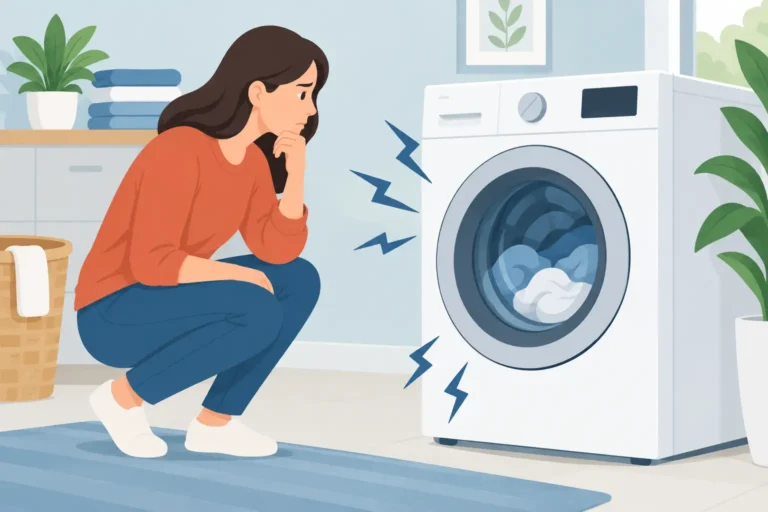
A dryer should dry clothes efficiently without making the room excessively hot or filling it with unusual odors. Do not assume a change in performance will fix itself after another cycle. Stop using the dryer and arrange a professional inspection if you notice several of these signs:
- Clothes, especially towels and jeans, are still damp after a normal cycle.
- The dryer exterior, laundry room, or nearby wall feels unusually hot.
- You smell burning lint, hot fabric, or an electrical odor while it runs.
- The lint screen has little lint on it even though the dryer is running normally.
- The dryer repeatedly stops, shuts down, or needs multiple cycles to finish a load.
A burning smell deserves immediate attention. Turn the dryer off. If it is safe to do so, unplug it or switch off the power at the appropriate breaker. If you see smoke, flames, or active sparking, get everyone out of the home and call 911. Do not reopen the dryer door if there is a fire inside, and do not restart the appliance to see whether the problem returns.
Safe Habits That Lower the Risk
The most effective homeowner habit is simple: clean the lint screen after every load. Remove lint by hand and make sure the screen is fully in place before starting the next cycle. A clean screen supports airflow and helps the dryer operate as intended.
It also helps to keep the area around the dryer clear. Do not store paper products, cleaning supplies, clothing piles, or other flammable items beside or behind the machine. Laundry rooms can become storage areas quickly, especially in apartments and smaller homes, but a clear space makes the appliance safer and easier to inspect.
Avoid running the dryer when you are leaving home or going to sleep. A load may take an hour or more, and an unexpected smell or overheating issue is much easier to address when someone is nearby. This is especially practical for families managing full laundry baskets on weekends: run smaller loads when possible rather than packing the drum tightly and relying on repeated cycles.
Fabric residue can create another airflow problem. If you use dryer sheets or similar products, occasionally wash the lint screen with warm water and mild dish soap, then let it dry completely before replacing it. This removes residue that may make the screen look clean while reducing how well air passes through it.
These steps are helpful prevention, not a substitute for service. Do not attempt to take apart the dryer, reach deep into the vent system, or work around electrical connections. Hidden lint and damaged components require proper tools and an experienced technician.
Why Same-Day Dryer Repair Matters
When a dryer is overheating or struggling to dry clothes, waiting can turn a manageable repair into a more disruptive problem. Continued use adds heat and strain every time the appliance runs. It can also leave a household without a working laundry routine, which is difficult for families, renters, landlords, and property managers trying to keep a home running smoothly.
Same-day service matters because it gives you a clear answer quickly. A qualified technician can assess why the dryer is not operating safely, explain the issue in plain language, and let you know what should happen next. Sometimes the concern is connected to airflow. Other times, the dryer itself needs repair. The right solution depends on what is found during the visit, not on guesses or one-size-fits-all advice.
Fast service is also valuable after a close call. If you smelled something burning but no longer smell it, that does not automatically mean the issue is gone. Heat-related problems can be intermittent. Having the dryer checked before putting it back into regular use can provide real peace of mind.
A Dependable Local Choice for San Diego Homes
Alfa Appliances provides same-day appliance repair for households that need straightforward answers without the runaround. Our licensed technicians inspect the problem, explain what they find, and provide honest upfront pricing before approved repair begins. The $65 diagnostic visit is waived with an approved repair, so you can make an informed decision without unnecessary pressure.
A good service visit should feel simple. You should know when the technician is coming, understand what the concern is, and get clear communication about the recommended repair. That is particularly important for a potential dryer safety issue, where vague advice or delayed responses can leave you wondering whether it is safe to use the appliance at all.
Whether you are in San Diego, La Mesa, El Cajon, North Park, or nearby communities, a punctual local technician can help you address dryer concerns before they become a larger household emergency. Professional service does not mean alarmist recommendations. It means a careful inspection, a clear explanation, and repair guidance based on the condition of your appliance.
When to Schedule Dryer Service
Schedule service promptly if drying times have increased, the appliance is overheating, the vent area seems to have poor airflow, or you notice any burning odor. If the dryer has stopped working after becoming unusually hot, leave it off until it can be inspected. For property managers and landlords, responding quickly also helps protect residents and prevent a small maintenance complaint from becoming a safety concern.
If your dryer is showing warning signs, contact Alfa Appliances for same-day service and an honest diagnostic. A clean lint screen and a clear laundry area are good habits, but a dryer that runs hot or smells like burning needs more than another cycle. Taking action now can protect your home, your routine, and the people who rely on both.



4 Responses