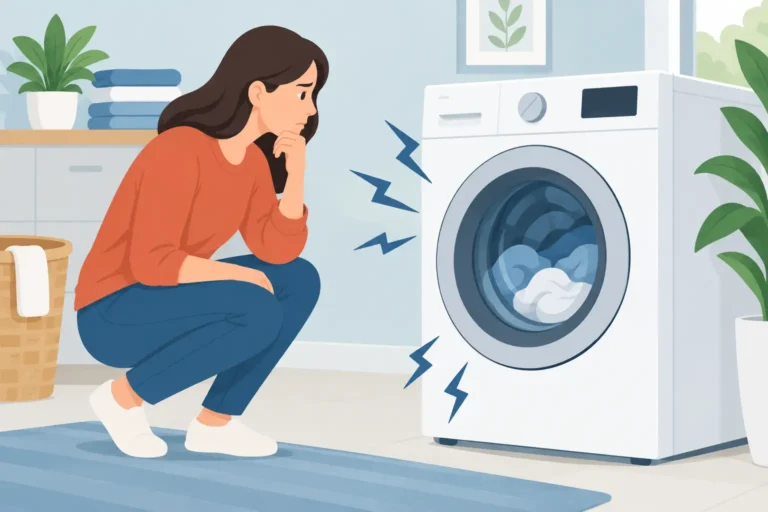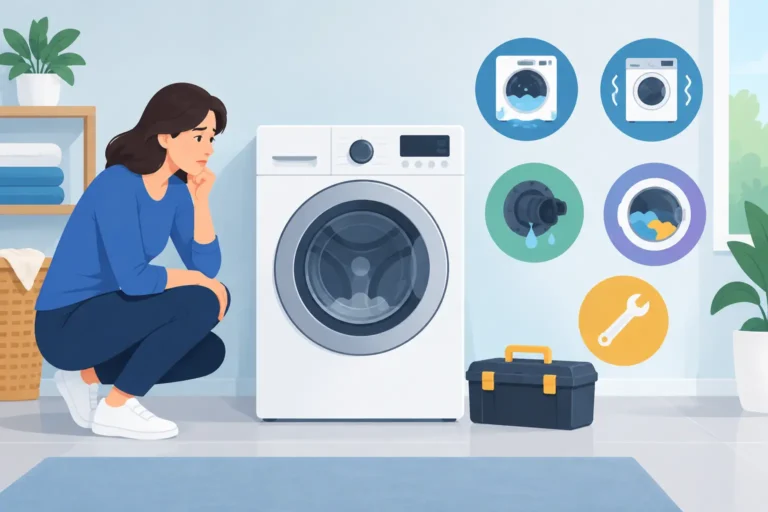
A refrigerator that stops cooling during a warm San Diego afternoon or a washer that quits with a full load inside can turn an ordinary day into a stressful one. This homeowner guide to appliance maintenance focuses on the small, safe habits that can help reduce surprise breakdowns – and the warning signs that mean it is time to call a professional instead of waiting.
Most appliance problems do not begin as emergencies. They often start with a slower cycle, an unusual noise, a small leak, or a door that no longer closes as firmly as it should. Paying attention early can protect your routine, your food, and your home.
Why Household Appliances Break Down
Kitchen and laundry appliances work hard, especially in busy households. A dishwasher may run every night. A dryer may handle several loads each weekend. Refrigerators run around the clock, and ovens take on extra demand during family gatherings and holidays.
Normal use creates normal wear. Dust can build up around appliances, spills can affect seals and controls, and heavy loads can put extra strain on machines. In coastal parts of San Diego, salt air and humidity can also be hard on household equipment over time. None of this means a breakdown is inevitable, but it does explain why routine attention matters.
Maintenance is not about taking appliances apart or trying to diagnose a hidden problem yourself. It is about keeping the areas homeowners can safely reach clean, using appliances as intended, and responding quickly when something changes.
Homeowner Guide to Appliance Maintenance: Safe Habits That Help
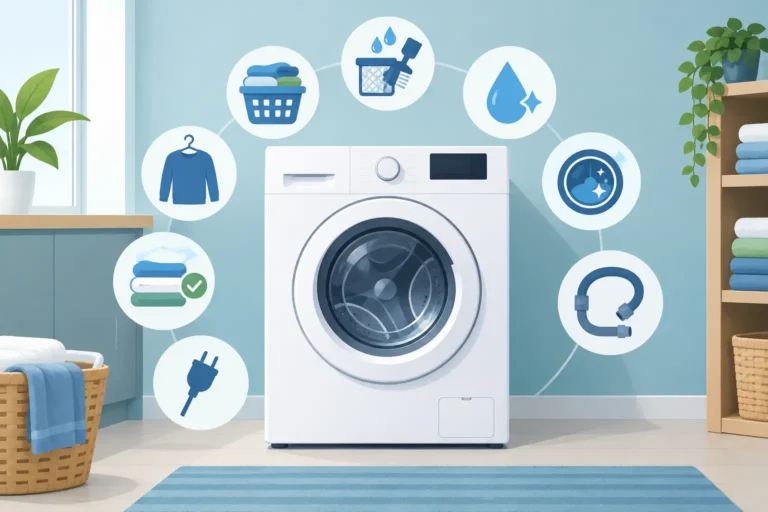
A few regular habits can make a meaningful difference without turning your weekend into a repair project. Keep the focus on cleaning, observation, and proper use. If an appliance needs to be moved, opened beyond normal access, or inspected internally, that is work for a licensed technician.
For refrigerators, wipe up spills promptly and check that the door closes fully after each use. Avoid packing the shelves so tightly that cold air cannot circulate. If you notice food spoiling sooner than usual, moisture inside the refrigerator, or a door seal that no longer stays closed, schedule service before the problem becomes more expensive.
For washers, use the amount of detergent recommended for your product and avoid overloading the drum. Too much detergent can leave buildup, while oversized loads can strain the appliance and leave clothing poorly cleaned. After a wash day, leaving the door or lid open briefly can help the interior dry out and reduce musty odors.
For dryers, clean the lint screen after every load. This simple task supports better drying performance and helps reduce a common household safety concern. If clothes begin taking more than one cycle to dry, the dryer feels unusually hot, or you smell something burning, stop using it and arrange professional service.
Dishwashers benefit from basic care as well. Remove visible food debris from dishes before loading, use the correct detergent, and wipe the door edge occasionally to prevent buildup. A dishwasher that leaves water in the bottom, produces a strong odor, or leaks onto the floor needs prompt attention.
Ovens, cooktops, microwaves, and range hoods should be kept free of grease and food spills. Clean only according to the appliance’s care instructions, and never ignore repeated sparking, burning smells, a gas odor, or controls that do not respond normally. These are not wait-and-see problems.
Warning Signs You Should Not Ignore
Appliances rarely send a polite reminder before they stop working. Instead, they give clues that are easy to dismiss when life is busy. A new rattling sound, an appliance that runs longer than normal, standing water, inconsistent temperatures, or a circuit that trips repeatedly all deserve attention.
Some signs require immediate action. Unplug the appliance if it is safe to do so and stop using it if you notice smoke, a burning odor, active leaking, or signs of electrical trouble. If you smell gas near a stove or oven, leave the area and follow local safety guidance. Do not attempt to find or fix the source yourself.
It can be tempting to keep using an appliance until it fails completely, particularly if it still works part of the time. That approach can create a bigger interruption later. A small refrigerator cooling issue can lead to spoiled groceries. A slow dryer can become a safety concern. A minor washer leak can damage flooring, cabinets, or a neighbor’s unit in an apartment or condo.
Why Same-Day Appliance Repair Matters
When an essential appliance breaks down, the inconvenience does not stay contained. Families may lose groceries, laundry piles up, and meal plans change. Landlords and property managers may have residents waiting for a working appliance. For many San Diego households, delaying a repair also means rearranging work, school, and family responsibilities around the problem.
Same-day appliance repair can reduce that disruption. A timely visit gives you a clearer answer about what is wrong, what repair is needed, and whether it is safe to use the appliance in the meantime. Fast service is not only about convenience. It helps prevent a manageable issue from causing secondary damage or a more stressful emergency.
The right response depends on the situation. A refrigerator that is not cooling, a leaking dishwasher, or a dryer with a burning smell should be addressed quickly. A light cosmetic issue may be able to wait. When you are unsure, a professional diagnosis removes the guesswork.
What to Expect From a Professional Visit
A good appliance service visit should feel straightforward. The technician listens to what you have noticed, checks the appliance, explains the issue in plain language, and provides the repair options before work begins. You should not feel pressured into a decision you do not understand.
At Alfa Appliances, homeowners can expect licensed technicians, clear communication, and honest upfront pricing. The $65 diagnostic visit is waived with an approved repair, so you can get a professional assessment without feeling caught off guard. The goal is simple: identify the problem, explain the next step clearly, and treat your home with respect.
Professional service is especially valuable when symptoms are inconsistent. An appliance may work normally during one cycle and fail during the next. A trained technician can evaluate the issue safely and help you decide on the most practical path forward, rather than relying on temporary workarounds.
Make Maintenance Part of Your Routine
The best time to notice an appliance issue is before it interrupts your day. As you clean the kitchen or finish laundry, take a moment to notice how each appliance sounds, drains, heats, and closes. You do not need a detailed checklist or technical knowledge. Familiarity with normal operation makes unusual changes easier to spot.
Keep the area around appliances reasonably clean, follow the manufacturer’s everyday use guidance, and do not force doors, drawers, or controls that are sticking. If a problem repeats, gets worse, or affects safety, call for service rather than hoping the next cycle will fix it.
A working home depends on appliances that quietly do their jobs. When yours sends a warning sign, timely professional help can keep a minor disruption from becoming the problem that takes over your week. For homeowners across San Diego and nearby communities, scheduling a prompt, clearly explained repair is often the easiest next step.