A refrigerator stops cooling on a Friday night, or a washer leaves a tub full of water, and the first question is usually not “what failed?” It is “is this covered?” This appliance warranty guide explains what to check before you approve a repair, what warranty language often leaves out, and when paying for a diagnosis is still the sensible move.
The paperwork matters, but it should not delay a safety decision. If you smell gas, see smoke, notice sparking, or have a dryer that is scorching clothes, stop using the appliance and arrange service. A warranty claim can wait until the immediate hazard is addressed.
Start With the Type of Coverage You Have
People often use “warranty” to describe three very different kinds of protection. They can cover different parts of the same repair, and mixing them up creates frustration at the kitchen counter.
A manufacturer warranty comes with a new appliance. Many major brands provide one year of limited coverage for defects in materials or workmanship, though the term and covered components vary by model. Some refrigerators have longer coverage on sealed-system parts, such as the compressor, but labor may be covered for a shorter period. Read the warranty for your exact model, not a general statement from a retailer.
An extended service plan is purchased separately through a retailer, manufacturer, or third-party administrator. It may cover mechanical breakdown after the manufacturer warranty ends. These plans can be useful for a costly premium appliance, but check the deductible, service-call fee, waiting period, and whether the plan uses its own authorized repair network.
A home warranty is a service contract for systems and appliances in a home. It is especially common with real estate transactions and rental properties. The provider generally decides whether a failure qualifies, sends or approves a contractor, and may choose replacement rather than repair. Coverage limits, pre-existing-condition rules, and service fees can matter more than the monthly plan price.
For renters, the appliance is usually the landlord’s responsibility unless the lease says otherwise or damage was caused by misuse. Report the problem in writing and keep a photo or video of the symptom. Property managers should also confirm who owns the appliance before authorizing outside work.
What an Appliance Warranty Usually Covers
A warranty is meant to address a covered product failure, not every reason an appliance stops working. A failed electronic control board, faulty compressor, defective dishwasher circulation pump, or washer door-lock assembly may qualify if the appliance is within the coverage period and the plan includes that part.
Coverage is more likely when the appliance was installed correctly, used normally, and maintained according to its manual. Keep the purchase receipt, model and serial number, installation documents if available, and prior service records. The serial number is usually inside a refrigerator compartment, around a dishwasher door frame, on a washer opening, or on the range frame.
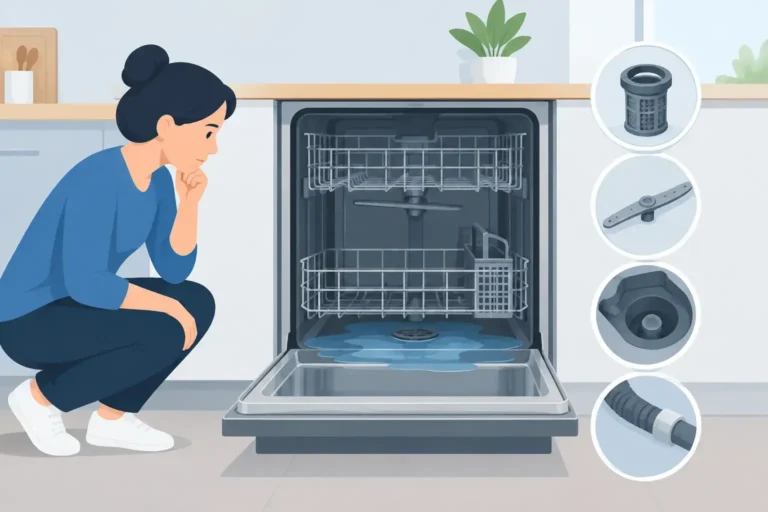
Before calling a warranty company, write down what the appliance is doing. “Not working” is hard to process. “LG front-load washer shows OE after draining for five minutes” is useful information. LG identifies OE as a drain-related error on many washer models, while Bosch uses E24 on many dishwashers to indicate a drainage issue. Those codes point a technician in the right direction, but they do not prove which part failed. A blocked filter, kinked drain hose, failed drain pump, or wiring issue can produce a similar symptom.
Parts Coverage and Labor Coverage Are Not the Same
This is where many repair bills become a surprise. A manufacturer may cover a compressor part but not the labor to access it, install it, recharge the sealed system, or diagnose the original cooling complaint. A service plan may pay labor but exclude a clogged drain line or damage caused by a power surge.
Ask the warranty administrator these questions before scheduling work: Is the diagnostic visit covered? Is there a deductible? Are parts and labor both covered? Does the plan require pre-authorization before any repair? Get the claim number and authorization details in writing when possible.
Common Exclusions That Catch People Off Guard
Most warranty documents exclude maintenance, cosmetic damage, abuse, improper installation, and problems caused by outside conditions. That does not mean the claim is automatically denied. It means the cause of failure matters.
A dishwasher that will not drain because its filter is packed with debris may be considered a maintenance issue. A dryer that overheats because the exterior vent is restricted can fall outside coverage as well. The U.S. Fire Administration advises cleaning the lint filter before and after each load and cleaning the dryer exhaust path regularly. That is basic care, but it also protects your household and avoids a preventable claim dispute.
San Diego homes have a few local conditions worth considering. Hard water can leave mineral scale on dishwasher components and ice-maker water paths. Near the coast, salt air and humidity can speed up corrosion on exposed metal connections and appliance exteriors. Neither condition means a repair is impossible, but a warranty company may look closely at whether corrosion or lack of maintenance caused the problem.
Power events are another gray area. If a control board fails after an outage or surge, standard manufacturer coverage may exclude it because the source was external. A technician can document the failed component, but the warranty administrator makes the coverage decision.
Safe Checks to Make Before Opening a Claim
Do not take panels off or attempt gas, wiring, or refrigerant work. A few simple checks can rule out an easy cause and give the repair company better information.
For a refrigerator, confirm the doors are closing fully, check that the controls were not changed, and make sure food packages are not blocking interior vents. During hot spells, an overfilled refrigerator can struggle because cold air cannot circulate well. For a dishwasher, clean the accessible filter and confirm the kitchen sink drain is not backed up. For a washer, verify the machine is level and that both water supply valves are fully open. For a dryer, clean the lint screen and stop using it if drying time suddenly increases or you smell burning.
If a breaker has tripped once, reset it only if there is no burning smell, heat, or visible damage. If it trips again, leave it off and call for service. Repeated breaker trips are not a normal appliance inconvenience.
When a Repair Is Worth Paying for Anyway
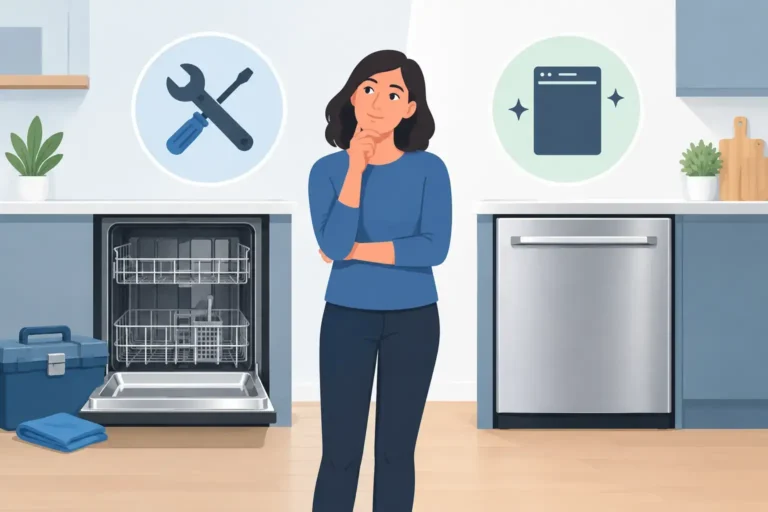
A denied claim does not automatically mean replacement is the better answer. First, compare the repair estimate with the appliance’s age, condition, and likely remaining life.
The National Association of Home Builders’ life-expectancy study lists typical averages of about 9 years for dishwashers, 10 years for clothes washers, 13 years for refrigerators and dryers, and 13 to 15 years for electric and gas ranges. These are averages, not expiration dates. A well-kept 11-year-old dryer with a failed thermal fuse may be an easy repair. A 14-year-old refrigerator with a major sealed-system failure deserves a more careful cost comparison.
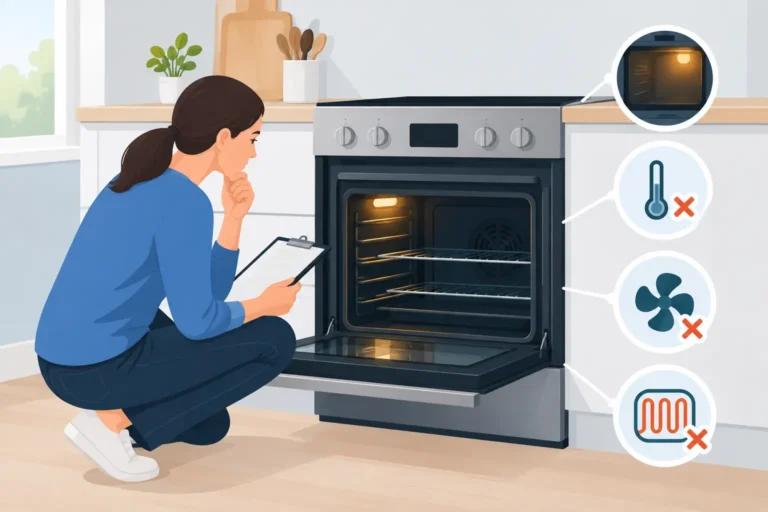
Typical failed parts also help frame the decision. A washer drain pump, dishwasher inlet valve, oven igniter, dryer thermal fuse, or refrigerator door gasket is often a targeted repair. A cracked tub, unavailable control board, multiple leaking sealed-system components, or severe corrosion can change the math quickly. Parts availability matters too, especially for older or imported models.
In the San Diego area, a straightforward repair involving a common part often falls roughly in the $180 to $450 range, including labor and parts, while major refrigerator sealed-system work or premium-brand electronic components can cost substantially more. The exact price depends on the model, diagnosis, access, and part availability. At Alfa Appliances, the $65 service-call fee is waived when you approve the repair, and all completed repairs include a 90-day labor warranty.
Many common repairs can be completed in one visit when the needed part is available. If a special-order part is required, a good diagnosis still has value: it tells you the real cost before you spend money on a repair that does not fit the appliance’s age or condition.
How to Avoid Voiding Coverage by Accident
Use the appliance as the manufacturer intended, keep up with basic cleaning, and avoid unapproved modifications. Save receipts for maintenance or previous repairs, particularly if an appliance has recurring trouble. If a warranty provider requires authorization, do not approve a repair first and expect reimbursement later unless the plan clearly allows it.
Also be cautious with “quick fixes” from online videos. Resetting a control may clear an error temporarily, but it does not explain why the error occurred. Repeated resets can make it harder to document an intermittent failure for a warranty claim.
If you need a clear diagnosis before deciding whether to use coverage or pay out of pocket, Alfa Appliances serves San Diego County with practical in-home repair assessments and same-day appointments when available. A good repair decision starts with the actual failed part, not a guess based on the warranty paperwork.