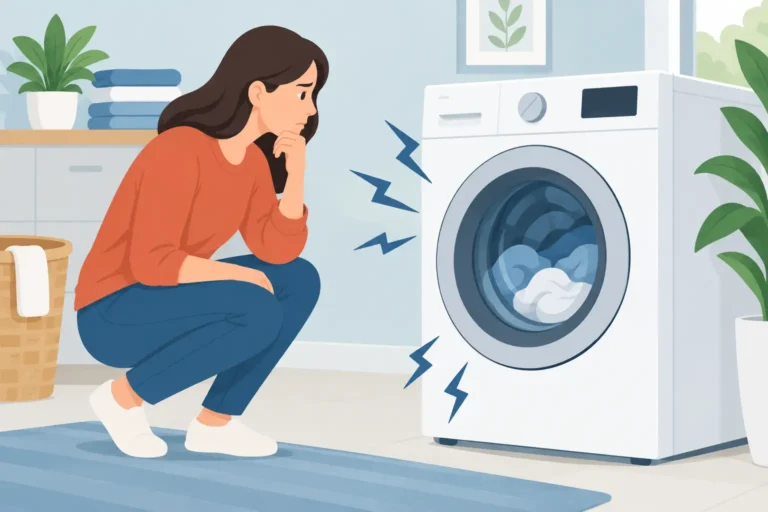
A washer rarely fails because of one bad load of laundry. More often, it wears down from small habits repeated for years: too much detergent, overloaded drums, clogged drain paths, and a leak that was easy to miss. Learning how to extend washer lifespan comes down to reducing strain on the parts that do the hardest work – the motor, drain pump, suspension, door lock, and water valves.
Most washers can provide roughly 10 to 14 years of service, though a well-maintained unit may last longer and a heavily used one may not. For households in San Diego, mineral-rich water can add another problem: scale buildup around water-flow components and inside the tub. The goal is not to treat your washer like a museum piece. It is to use it normally without making it work harder than it has to.
How to Extend Washer Lifespan Through Everyday Use
Load the drum, but do not pack it
Overloading is one of the quickest ways to wear out a washer. A packed drum can leave clothes poorly cleaned, but the larger issue is mechanical stress. Front-load washers can develop extra strain on the bearings and suspension. Top-load models may bang out of balance, which puts pressure on suspension rods, the drive system, and the cabinet itself.
A practical rule is to leave enough room at the top of the drum for your hand to fit comfortably. Bulky items such as comforters, bath mats, and dog beds need special care. Wash one large item with a few smaller items to help balance the load, and use the bulky or bedding cycle if your machine has one. If the washer repeatedly walks, shakes hard, or hits the cabinet during spin, stop the cycle and redistribute the load.
Use the right amount of detergent
More detergent does not mean cleaner clothes. It often means more suds and more residue. High-efficiency washers use much less water than older machines, so regular detergent or an oversized dose of HE detergent can create excess foam that is difficult to rinse away.
That residue can collect in the outer tub, drain hose, dispenser, and door seal. Over time, it can contribute to odors, slow draining, and extra work for the drain pump. Use only HE detergent in an HE washer and follow the detergent label for the load size and soil level. If clothes feel stiff, smell perfumed after washing, or the machine has visible suds near the end of a cycle, reduce the amount.
ENERGY STAR states that certified clothes washers use about 25% less energy and 33% less water than standard washers. That lower water use is useful for utility bills, but it also leaves less room for detergent mistakes. Measured detergent matters more in a modern washer than it did in an older, deep-fill top loader.
Choose cycles that match the job
Heavy-duty and sanitizing cycles have a purpose, but they are not necessary for every load. Longer cycles, high spin speeds, and hot water can add wear when used constantly. Everyday clothing usually does well on normal or mixed-fabric settings, while towels, bedding, heavily soiled work clothes, and allergy-related washing may justify more intensive cycles.
Cold water is often easier on fabrics and can reduce energy use. It is not always the best choice, though. Occasional warm or hot cycles can help with oily residue and odor, particularly if most loads are washed cold. The right balance depends on your laundry, detergent, and washer manual.
Keep the machine level
A washer that rocks is not just annoying. Repeated vibration can loosen connections and wear suspension components faster. Check that all four feet rest firmly on the floor. Do not use cardboard, towels, or loose shims underneath to quiet the machine.
If a washer became noisy after moving, installation may be the issue. On a front-load washer, shipping bolts left in place after installation can cause severe vibration and should be addressed by an installer or technician. Do not keep running a machine that is slamming around the laundry room.
Clean the Areas That Affect Water Flow
Wipe the door seal and leave the door open
Front-load washers are efficient, but the rubber door gasket can trap water, hair, lint, and small objects. After the last load of the day, wipe the visible folds of the seal with a soft cloth. Check for coins, clips, or anything sharp that could damage the rubber.
Leave the door slightly open between loads so the tub can dry. The same idea applies to top-load washers: leave the lid open when practical. This simple habit reduces mildew odors and helps prevent the buildup that customers often describe as a “dirty washer” smell.
Run the cleaning cycle as your manual directs
Many washers have a Tub Clean, Clean Washer, or Self Clean cycle. Manufacturer manuals commonly recommend running it regularly, often monthly or after a set number of wash cycles. Use the cleaner and method specified for your model. Household bleach, vinegar, and tablets are not interchangeable for every machine, and mixing cleaning products is unsafe.
Hard water can make cleaning more necessary in parts of San Diego County. White or chalky residue in the dispenser, on dark clothes, or around the water connections is a sign that minerals may be accumulating. A washer cleaner can address residue inside the machine, but persistent scale or restricted water flow may need professional attention.
Check the detergent dispenser and inlet area
Remove and rinse the detergent drawer or dispenser cup if your manual says it is removable. A clogged dispenser can send detergent into the drum unevenly or leave it sitting in place after a cycle.
Also look at the water supply hoses from the outside. Check for bulges, cracks, rust around fittings, dampness, or a slow drip. Do not attempt to take apart valves or connections yourself. A burst hose can damage floors, walls, and nearby units, especially in apartments and condos.
Catch Small Washer Problems Before They Become Bigger Repairs
A washer does not need to be completely dead before it needs service. Some symptoms are early warnings that a relatively contained repair could prevent water damage or a larger failure.
Slow or incomplete draining often points to a blocked drain path or a weakening drain pump. A drain pump is a common failed part because it moves soapy water, lint, and occasional foreign objects out of the tub. On many models, a pump repair may fall in the general range of $180 to $400, depending on the brand, access, and whether another blockage is involved.
A door that will not lock, or a cycle that pauses and will not start spinning, may have a worn door-lock assembly. A top-load washer that violently bangs during spin can have tired suspension rods. Repairs for these issues commonly vary from about $160 to $450, with premium models and difficult access sometimes costing more. A proper diagnosis matters because similar symptoms can come from different parts.
Error codes can offer a useful clue, but they are not a final diagnosis. LG manuals use OE for a drain-related error. Samsung manuals use 4C for a water-supply issue. Whirlpool models may display F9 E1 for a long-drain condition. Resetting the washer may clear a temporary interruption, but a code that returns is the machine telling you a condition has not been corrected.
Know When to Stop Using the Washer
Turn the washer off and avoid another cycle if you see active leaking, smell burning rubber or electrical odor, hear grinding during spin, or find water pooling near the outlet. A small drip can become a damaged floor, while a burning smell can indicate belt, motor, or electrical trouble that should not be ignored.
For a minor out-of-balance load, redistributing clothing is reasonable. For repeated noise, recurring codes, or leaking hoses, it is better to have the cause identified before the next wash day. A technician can determine whether a worn pump, valve, lock, belt, suspension part, or control issue is actually responsible.
If your washer is leaking, stopping mid-cycle, or making new noises, Alfa Appliances can inspect it in your home and explain the repair before work begins. The $65 service call is waived with an approved repair, and same-day appointments are often available across San Diego County. A quick check now can keep a manageable washer problem from becoming an interrupted week of laundry.