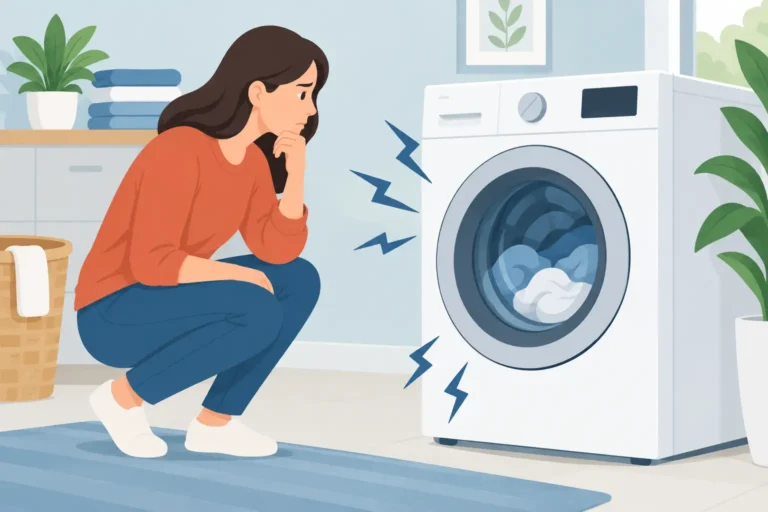
A load that should be dry in 45 minutes can turn into two or three cycles, a pile of damp towels, and a disrupted evening. If you are asking, “why does my dryer take forever,” the problem is usually not something to ignore or simply work around. Longer drying times waste energy, add wear to clothing, and can point to an airflow or heating issue that needs attention.
For busy San Diego households, a dryer that cannot keep up creates real stress. Laundry backs up quickly when you have work, school, guests, or a family to manage. The good news is that slow drying is often a repairable issue. A professional can identify the cause, explain it plainly, and help get your laundry routine back on schedule.
Why Does My Dryer Take Forever to Dry?
A dryer needs two things to work properly: enough heat and steady airflow. When either one is reduced, moisture stays trapped in the clothes and the cycle takes much longer than it should. Sometimes the cause is simple, such as a heavy load that cannot tumble freely. Other times, the dryer may be producing heat but cannot move moist air out efficiently.
The pattern can offer a useful clue. If lightweight shirts dry but towels and bedding stay damp, the dryer may be struggling with airflow or load size. If every load takes too long, even a small load, the issue may be more consistent and deserves a professional diagnosis. A dryer that runs for a long time without getting clothes warm is a different concern than one that gets very hot but still leaves laundry wet.
Restricted airflow is a common reason
Lint is meant to collect in the filter, but some lint can still build up beyond that area over time. The dryer also needs a clear path to send warm, moist air outside. When that path is restricted, drying slows down because the moisture has nowhere to go.
You may notice that the dryer feels unusually hot, the laundry room feels humid, or the dryer needs repeated cycles for the same type of load. These are signs to take seriously. Restricted airflow can put extra strain on the appliance and may become a safety concern if it is left unresolved.
Homeowners can help by cleaning the lint filter before each load and keeping the area around the dryer clear. Do not try to take apart the appliance or force access to hidden areas. A licensed technician can check the full airflow path safely and determine whether cleaning, adjustment, or repair is needed.
The dryer may not be heating consistently
A dryer can continue tumbling even when its heat is weak, intermittent, or absent. That is why it may appear to be working while clothes remain cool and damp. This can happen with both electric and gas dryers, although the cause is not always the same.
It also depends on the load. Thick towels, jeans, comforters, and blankets naturally need more time than lighter clothing. But a normal load should not suddenly require several cycles. If drying times have gradually increased or changed overnight, it is worth having the appliance checked rather than continuing to run it longer.
Overloading can slow every cycle
Trying to finish laundry in fewer loads is understandable, especially for larger households. But when a dryer is packed too tightly, clothes cannot tumble well and warm air cannot circulate evenly. The outside of the load may feel warm while items in the middle remain damp.
This is one area where a small adjustment can help. Give bulky items room to move, and dry heavy items separately from lightweight fabrics when practical. If you are already using reasonable load sizes and the dryer is still taking forever, the issue is likely not just how the laundry is loaded.
The washer may be leaving clothes too wet
Sometimes the dryer gets blamed for moisture that started in the washer. If clothes come out dripping wet or much heavier than usual after the wash cycle, the washer may not be removing enough water before the dryer cycle begins.
This does not mean the dryer is automatically fine. It means both appliances should be considered, especially if the problem began after changes in the wash cycle or if you notice standing water in the washer. An experienced technician can assess the situation without guessing or recommending work you do not need.
Moisture sensing can affect cycle length
Many dryers use automatic settings that estimate when clothes are dry. If the appliance is not sensing moisture accurately, it may end too soon, run too long, or leave certain items damp. This can be frustrating because the dryer may seem inconsistent from one load to the next.
A timed cycle may help you notice the difference, but it is not a long-term fix for a dryer that repeatedly performs poorly. If the same issue keeps happening, a service visit can identify whether the problem is related to sensing, heat, airflow, or another operating issue.
When Slow Drying Needs Same-Day Repair
Waiting on a dryer problem can be tempting. You may think one extra cycle is inconvenient but manageable. The trade-off is that repeated long cycles can raise utility use, put more wear on fabrics, and place ongoing strain on the appliance. What begins as a minor delay can become a complete breakdown at the least convenient time.
Same-day repair matters when laundry is part of your daily routine, not an optional chore. Families with children, renters preparing for a move, and property managers turning over a unit may not have days to wait for damp clothes to dry. Prompt service also matters if you notice overheating, a burning smell, unusual noise, or excessive humidity around the dryer.
If you smell gas near a gas dryer, stop using the appliance and arrange professional service right away. Do not keep running cycles to see whether the issue goes away. Safety concerns deserve a fast, qualified response.
What a Professional Dryer Visit Should Feel Like
You should not have to choose between getting your dryer fixed quickly and knowing what the repair will cost. A good service visit starts with a clear assessment of what is causing the slow drying. The technician should explain the issue in plain language, discuss the recommended repair, and provide upfront pricing before work begins.
Alfa Appliances provides same-day appliance repair for many San Diego-area customers, with licensed technicians who respect your home and your time. The diagnostic visit is $65 and is waived with an approved repair. That straightforward approach helps you make a decision with the facts in front of you, not pressure or surprises.
Whether you are in San Diego, Chula Vista, La Mesa, El Cajon, or a nearby community, professional help can save you from repeated cycles and uncertainty. A technician can check the dryer’s operation, look for the reason moisture is not leaving the load, and confirm whether the washer may also be contributing.
A Few Safe Habits That Help
Cleaning the lint filter before every load is the most useful routine habit. It supports airflow and helps the dryer work more efficiently. It is also helpful to avoid crowding the dryer with one oversized load and to pay attention when drying times start changing.
Beyond those basics, leave diagnosis and internal service to a professional. Dryers combine heat, electrical connections, moving components, and, in some homes, gas service. A quick inspection from a licensed technician is safer than trying to solve a recurring performance problem on your own.
If your dryer is taking longer than usual, do not spend another week re-running the same loads. Schedule a service visit, get a clear answer, and get back to dry laundry without the extra waiting.