A washer usually picks the worst possible moment to act up – right before work, right before guests arrive, or right when the laundry is already backed up. What makes the decision harder is that most people are not just dealing with a machine problem. They are dealing with wet clothes, lost time, and the nagging question of whether they are about to spend money on a repair that will not last. If you are weighing washer repair vs replacement, the right answer depends on a few practical factors, not guesswork.
Washer repair vs replacement starts with the real problem
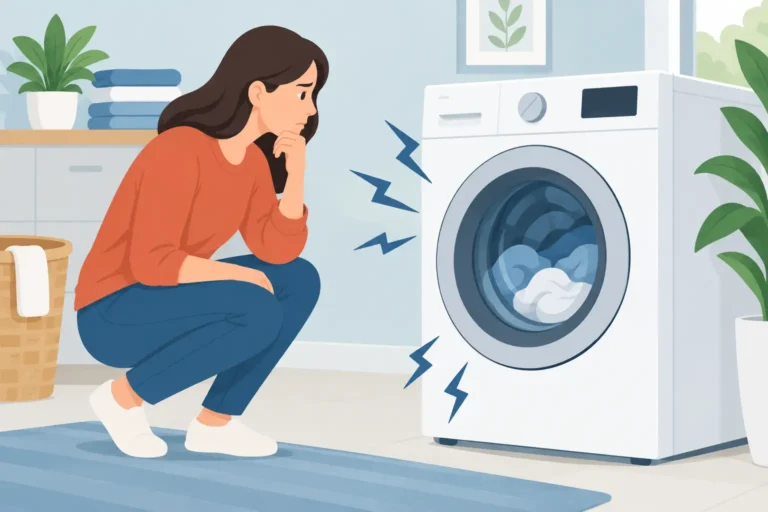
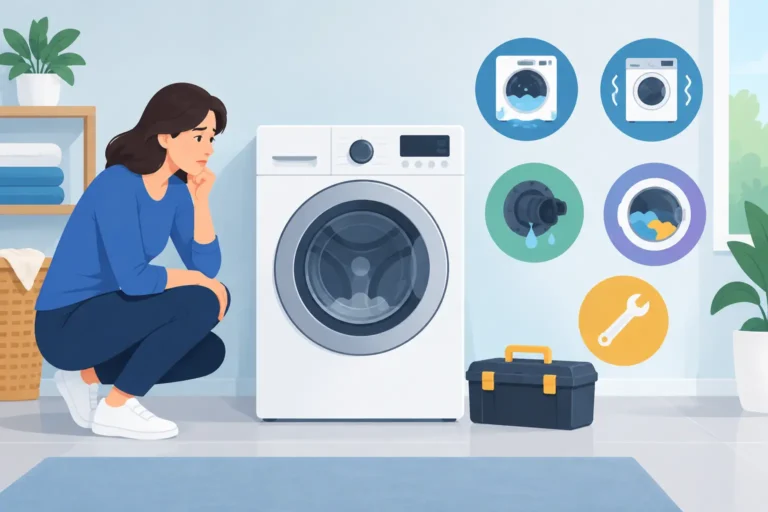
Not every washer issue means the machine is finished. Some problems are limited and fixable, while others point to a unit that is wearing out overall. A washer that will not drain, shakes violently, leaves clothes soaking wet, or starts leaking can all look equally serious from the outside. The difference is whether the issue is isolated or part of a bigger decline.
Age matters, but it is not the only thing that matters. A relatively newer washer with one clear problem is often a good repair candidate. An older machine with repeated breakdowns, rising noise, performance issues, and water leaks is a different story. If it feels like every few months something else goes wrong, replacement usually becomes the more practical long-term move.
This is where a professional diagnosis saves time and stress. Instead of guessing, you get a clear explanation of what failed, what the repair will cost, and whether the machine is likely to keep giving you trouble.
Why washers fail in the first place
Washers do a lot of heavy work in a small space. They handle large loads, constant vibration, moisture, and repeated cycles week after week. Over time, that wear adds up. Sometimes the cause is simple daily strain, and sometimes maintenance habits shorten the life of the machine.
Overloading is a common issue. So is running unbalanced loads, which puts extra stress on the washer during spin cycles. Small leaks can also go unnoticed for too long, especially in laundry closets, garages, or tucked-away utility spaces. In many San Diego homes, washers are installed in areas where homeowners may not spot early warning signs until the problem becomes disruptive.
There are also cases where nothing obvious was done wrong. Appliances age. Parts wear out. That does not automatically mean replacement is the best choice, but it does mean the machine should be evaluated based on condition, not optimism.
When repair usually makes more sense
Repair is often the better option when the washer is still within a reasonable service life and the problem is straightforward. If the unit has generally been reliable, the repair cost is manageable, and there are no signs of broader decline, fixing it can be the smartest use of money.
A good repair candidate usually looks like this: the washer has had no major history of trouble, it is cleaning clothes properly aside from the current issue, and the repair solves one specific failure rather than chasing several symptoms at once. In that situation, repairing the machine can extend its useful life without putting you back in the same position next month.
This can be especially helpful for busy households that need the fastest path back to normal. Replacing a washer may sound cleaner on paper, but it can involve added scheduling, removal coordination, and a longer disruption to your routine. If a professional can restore the machine quickly and confidently, repair can be the lower-stress option.
When replacement is the smarter call
There comes a point when continued repairs stop being economical. If the washer is older, breaking down often, leaking badly, or showing multiple performance issues at the same time, replacement may be the more responsible decision.
One major sign is repeat service. A single repair is normal over the life of an appliance. Several repairs in a short period usually mean the machine is entering a more expensive stage of ownership. Another warning sign is declining wash quality. If clothes are not getting properly cleaned, spin cycles are inconsistent, and unusual sounds keep getting worse, the washer may be wearing out beyond one isolated fix.
Leaks deserve special attention. A washer that leaks can damage floors, baseboards, nearby cabinets, and walls. Even a small leak can turn into a larger home repair if it is ignored. In those cases, the decision is not just about the washer anymore. It is about preventing more costly damage around it.
Replacement can also make sense if repair costs approach what most homeowners are comfortable investing in an aging unit. There is no single rule that fits every household, but the bigger question is simple: will this repair solve the problem with confidence, or are you paying to buy a little time?
The cost question is really about value
Most people ask the repair-or-replace question because they want to avoid wasting money. That is fair. But the lowest immediate number is not always the best value.
A repair is good value when it restores dependable use without putting you at high risk for another breakdown soon. A replacement is good value when it stops the cycle of recurring service calls and uncertainty. The goal is not just to spend less today. The goal is to make a decision you will still feel good about in a few months.
That is why honest pricing and clear recommendations matter. Homeowners should not feel pressured into a repair that makes no sense, and they should not be pushed toward replacement when a reliable repair is still the better option. A trustworthy technician explains the condition of the washer in plain language and lets the facts lead the decision.
Why same-day repair matters
When your washer stops working, laundry does not pause with it. Clothes pile up fast, especially for families, working professionals, renters sharing laundry space, and property managers trying to keep a home functional. Waiting days just to learn whether the washer is repairable creates unnecessary stress.
Same-day service matters because it shortens the period of uncertainty. Instead of wondering if you need to start shopping for a new unit or haul clothes to a laundromat, you get answers quickly. If the machine can be repaired, you can often get back to normal faster. If it should be replaced, at least you know right away and can move forward with confidence.
That speed is especially valuable in San Diego, where people are balancing work, family schedules, traffic, and everything else that fills a normal week. Fast response is not just convenient. It helps prevent a manageable appliance problem from turning into a bigger disruption.
A few simple habits can help your washer last longer
While some breakdowns are unavoidable, a few basic habits can reduce wear. Avoid packing the drum too tightly, try to balance heavier items when possible, and pay attention to small changes like new noises, slow draining, or moisture around the machine. Those early warning signs are often when problems are easiest to address.
It also helps to avoid ignoring minor issues because the washer is still technically running. A machine that finishes the cycle but struggles along the way is often telling you something. Catching a problem earlier can sometimes mean a simpler repair and less downtime.
That said, maintenance only goes so far. If a washer is leaking, not spinning properly, or stopping mid-cycle, professional service is the safest next step.
Why many local homeowners want a clear answer, not a sales pitch
The hardest part of washer trouble is often not the machine itself. It is not knowing whether you are being told the truth. Most people do not want a long technical explanation. They want someone to show up on time, inspect the washer, explain the problem clearly, and tell them whether repair or replacement makes sense.
That is why local service matters. A company like Alfa Appliances is built around same-day response, licensed technicians, honest upfront pricing, and a low-friction process that starts with a $65 diagnostic visit waived with approved repair. For homeowners in San Diego and nearby communities, that kind of straightforward service can make an already frustrating day much easier.
A good service visit should leave you with clarity. You should know what failed, what it takes to fix it, and whether that repair is worth doing. No pressure. No vague answers. Just a practical recommendation based on the condition of your washer.
If your washer is acting up, the best next move is not to wait for it to fail completely. Schedule a professional diagnosis, get a clear recommendation, and make the decision based on facts instead of frustration. The right answer is not always repair, and it is not always replacement. It is the option that gets your home running again with the least hassle and the most confidence.
A washer problem is always inconvenient, but it does not have to drag on. Sometimes the smartest choice is a solid repair. Sometimes replacing the machine will save you more trouble. Either way, peace of mind starts with getting an honest answer quickly.


One Response
Great content! Keep up the good work!